

There’s a reasonable case for citrulline as a supplement for vascular health. The harder question is how much of that case holds up in human studies.
If you follow longevity or sports nutrition, you’ve probably come across L citrulline. It’s often promoted as a way to boost nitric oxide, improve circulation, lower blood pressure and get more out of exercise. Some of the marketing goes further, suggesting it can help keep arteries healthy as we age.
The biology behind those claims makes sense. The clinical picture takes a little more explaining.
Human trials have found that citrulline can change nitric oxide related biology and improve certain measures of blood vessel function. Some have also found reductions in blood pressure. Those are useful findings, especially for people whose vascular function is already impaired.
What we still don’t know is whether taking citrulline leads to fewer heart attacks, fewer strokes or a longer life. That gap runs through nearly every part of this discussion.
What Is L Citrulline?
L citrulline is a naturally occurring amino acid, although building proteins isn’t its main job. It participates in the urea cycle and helps the body produce L arginine. Arginine, in turn, supplies the raw material for making nitric oxide, usually abbreviated NO.
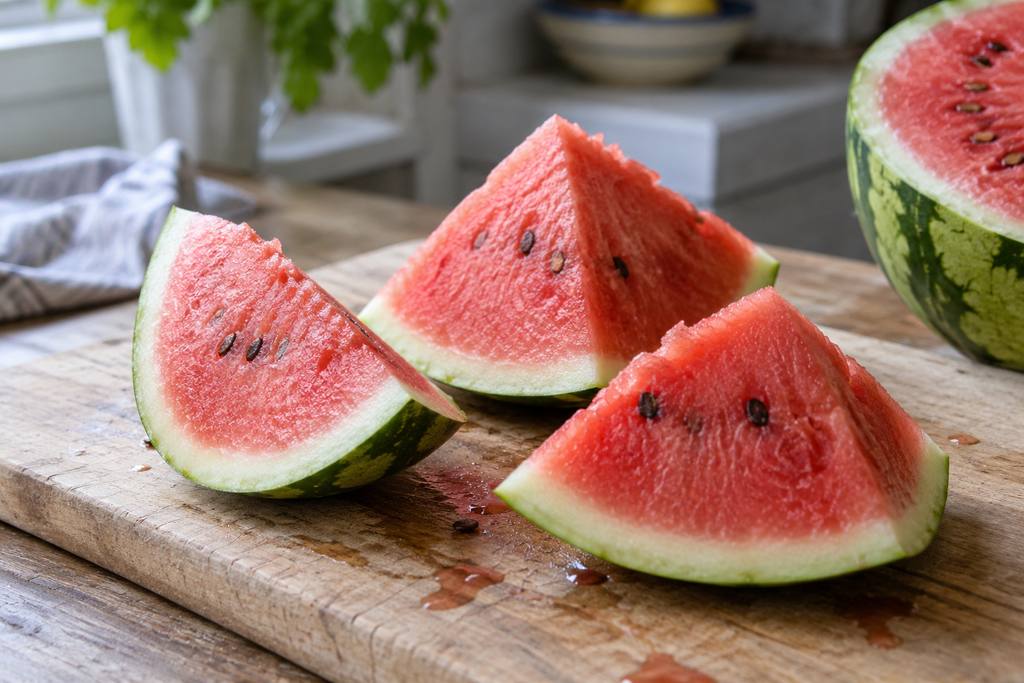
Watermelon is one of the richest natural dietary sources, especially the white rind. Citrulline actually takes its name from Citrullus, the Latin genus name for watermelon.
For cardiovascular health, the pathway researchers care about looks like this:
L citrulline → L arginine → nitric oxide → relaxation of blood vessels
Understanding what nitric oxide does helps explain both the interest in citrulline and the limits of the claims made about it.
Why Nitric Oxide Matters to Your Arteries
The endothelium is the inner lining of your blood vessels. It’s easy to picture it as a passive surface, but it has an active role in controlling vascular tone, inflammation, blood clotting and vessel function.
Healthy endothelial cells make nitric oxide using an enzyme called endothelial nitric oxide synthase, or eNOS. The nitric oxide moves into the smooth muscle around the vessels and activates signals that allow that muscle to relax. The vessel widens, a process known as vasodilation.
That ability to adjust matters. Your arteries need to respond when blood flow and metabolic demand change. Adequate nitric oxide helps them do that.
Aging, hypertension, diabetes, smoking and metabolic disease are associated with reduced nitric oxide availability and endothelial dysfunction. This gives researchers a reason to investigate whether supplying more of the ingredients needed to make nitric oxide might help.
Since arginine is one of those ingredients, taking arginine would seem like the obvious approach. Citrulline has a physiological advantage that makes it worth considering instead.
Why Take Citrulline Instead of Arginine?
Much of the arginine you swallow is metabolized in the gastrointestinal tract and liver before it reaches the general circulation. Citrulline largely avoids that initial metabolism. Once it’s circulating, the kidneys convert it into arginine.
A randomized, double blind crossover study in 20 healthy volunteers compared different doses of the two amino acids. Oral citrulline efficiently raised circulating arginine, with larger doses producing larger increases. At higher doses, it also increased urinary nitrate and cyclic GMP, markers associated with nitric oxide signaling.
There was a catch: flow mediated dilation did not significantly improve in that experiment.
The study supports the proposed biochemical pathway. Citrulline can raise arginine and influence nitric oxide related signaling. It also illustrates why a change in a laboratory marker doesn’t automatically establish a meaningful improvement in vascular function.
What the Trials Show About Endothelial Function
Flow mediated dilation, or FMD, is a commonly used noninvasive way to assess endothelial function. Researchers use ultrasound to measure how much an artery expands when blood flow increases. A higher FMD generally indicates better endothelial function.
Several citrulline trials have reported improvements in this measure. One randomized crossover trial involved 30 people with established coronary artery disease. Compared with placebo, L citrulline improved FMD and the ratio of flow mediated to nitroglycerin mediated dilation.
The population matters here. These participants already had coronary disease and impaired endothelial function, making the results relevant to vascular health beyond the usual discussion of supplements for athletes.
Another trial enrolled 25 postmenopausal women with hypertension. They received either 10 grams of L citrulline daily or a placebo for four weeks. Citrulline raised circulating arginine, and FMD increased by about 1.4 percentage points from baseline. The placebo group’s FMD declined slightly. Aortic diastolic pressure and mean arterial pressure also improved.
A 2025 systematic review and meta analysis brought together eight randomized controlled trials involving 176 middle aged and older participants. Across those studies, citrulline improved FMD by approximately 1.81 percentage points.
That’s a meaningful physiological signal. It’s also a relatively small body of research. Eight trials involving 176 people can give us a reason to keep investigating without settling the larger clinical questions.
Does Citrulline Help With Arterial Stiffness?
As arteries age, they tend to become stiffer. Large elastic arteries, including the aorta, normally cushion the pressure generated with each heartbeat. When that cushioning declines, systolic blood pressure and the heart’s workload can rise. Greater arterial stiffness is also associated with cardiovascular risk.
Researchers often assess stiffness using pulse wave velocity, or PWV. Generally, a pressure wave travels faster through a stiffer artery.
In a small randomized controlled trial, 15 middle aged men with elevated brachial ankle PWV received either a placebo or 5.6 grams of L citrulline daily for seven days. PWV fell significantly in the citrulline group compared with placebo, and nitric oxide metabolites increased. Blood pressure didn’t change significantly, suggesting a possible vascular effect separate from resting blood pressure.
Other results have been less convincing. The 2025 meta analysis found an improvement in FMD but no statistically significant improvement in overall PWV. A subgroup analysis suggested a benefit for brachial ankle PWV, although the pooled result across PWV measures remained nonsignificant.
A separate randomized crossover study in 12 older men found that 6 grams daily for six days did not significantly change blood pressure, wave reflection or central arterial stiffness.
Taken together, the studies provide stronger support for improved endothelial function than for a meaningful reduction in central arterial stiffness. Those outcomes are related, but they shouldn’t be treated as interchangeable.
The Blood Pressure Results Are More Complicated
Lowering blood pressure is one of the most heavily promoted benefits of citrulline. It’s also an area where the reviews don’t all tell the same story.
One meta analysis of randomized trials found an average systolic reduction of about 4.1 mmHg. The average diastolic reduction was approximately 2.1 mmHg, but that result did not reach conventional statistical significance overall. Doses in the included studies generally ranged from 3 to 9 grams per day.
Another meta analysis, covering 15 trials and 424 participants, reported larger reductions after citrulline or watermelon derived supplementation: approximately 7.5 mmHg systolic and 3.8 mmHg diastolic.
Yet a systematic review published around the same period examined five interventions and found no statistically significant improvement in either brachial or aortic blood pressure.
A subsequent meta analysis of randomized controlled trials again reported benefits. Its estimates were reductions of approximately 4.5 mmHg in brachial systolic pressure, 3.6 mmHg in brachial diastolic pressure and 6.8 mmHg in aortic systolic pressure. The authors cautioned that relatively few trials were available and called for larger studies with better designs.
These differences help explain why it’s difficult to assign citrulline one neat blood pressure number. Reviews include different studies, categorize interventions differently and examine different populations. Combining watermelon derived products with pure citrulline also changes what is being evaluated.
The most reasonable reading is that citrulline probably produces a modest blood pressure reduction in some people, particularly those with elevated blood pressure or impaired vascular function. The size and consistency of that effect remain uncertain.
Why Older Adults May Respond Differently
A healthy person at 25 and a person at 65 with hypertension or insulin resistance start from different places. Someone with excellent endothelial function may have little to gain from raising arginine further. Someone with impaired nitric oxide availability may have more room for improvement.
The idea that an intervention works better when baseline function is impaired comes up repeatedly in nutrition and pharmacology. Citrulline research suggests it may apply here as well.
One study examined exercise blood flow in 25 older adults after 6 grams of citrulline daily for 14 days. Circulating arginine increased by approximately 30 to 35%.
Among the men, citrulline also increased blood flow and vascular conductance during exercise at higher intensities and reduced diastolic blood pressure. The women did not show the same exercise blood flow response.
Other trials in postmenopausal women with hypertension have reported improvements in endothelial function and exercise blood flow after about four weeks of supplementation.
Those findings don’t establish that all older adults should take citrulline. They suggest that a person’s underlying vascular condition, sometimes called their vascular phenotype, may influence whether they respond.
What About People With Type 2 Diabetes?
Type 2 diabetes commonly involves endothelial dysfunction and impaired vascular reactivity. That makes it another relevant setting for studying citrulline.
A recent randomized study included 16 middle aged and older adults with type 2 diabetes. Participants received 6 grams of citrulline daily for four weeks or placebo. Researchers measured FMD, blood pressure, arterial stiffness and glucose, both during fasting and after a glucose challenge.
Citrulline improved endothelial function, peripheral arterial stiffness and aortic systolic blood pressure. It also improved the vascular response following acute hyperglycemia.
In another recent crossover trial, also involving 16 people with type 2 diabetes, 6 grams daily improved measures of microvascular endothelial function and muscle microvascular reactivity compared with placebo.
Both studies were small. Their value is in adding support to a plausible hypothesis: people whose nitric oxide biology is compromised may benefit more than younger people with good metabolic and vascular health. Larger trials are needed to establish how reliably that happens.
An Interesting Finding During Cold Exposure
Blood pressure changes with circumstances. Cold causes peripheral blood vessels to constrict and can raise blood pressure substantially, especially in older people.
A 2026 systematic review and meta analysis examined six randomized trials involving 162 participants exposed to cold conditions. Citrulline reduced the systolic blood pressure response to cold by approximately 9.3 mmHg and the diastolic response by approximately 5.3 mmHg overall. Aortic systolic pressure decreased by almost 10 mmHg.
Those are sizable changes, but the setting is essential to interpreting them. The studies measured the cardiovascular response to cold stress. They don’t establish that someone taking citrulline will see those same reductions in ordinary resting blood pressure.
Do These Changes Prevent Heart Attacks or Strokes?
This is the question that matters most for anyone considering citrulline for cardiovascular protection. The studies discussed so far primarily measure surrogate endpoints:
- Plasma arginine
- Nitric oxide metabolites
- Flow mediated dilation
- Pulse wave velocity
- Arterial wave reflection
- Blood pressure
- Exercise blood flow
These measurements tell us about vascular physiology. They can show that a supplement is doing something biologically measurable. They don’t, by themselves, show that it prevents a heart attack or stroke or reduces cardiovascular mortality.
There are currently no large randomized clinical trials conducted over long periods demonstrating that L citrulline prevents myocardial infarction or stroke, reverses coronary atherosclerosis or extends human lifespan.
That’s why the claim that “citrulline prevents cardiovascular disease” goes beyond the available evidence. A more defensible statement is that it improves some intermediate measures of vascular function in certain populations. Whether those improvements lead to fewer cardiovascular events remains unknown.
Can Citrulline Remove Arterial Plaque?
There’s no convincing randomized human evidence that citrulline causes coronary plaque regression.
Improving the way an artery responds to blood flow is different from removing atherosclerotic plaque. Nitric oxide signaling and endothelial function matter to cardiovascular biology, but an improvement in either doesn’t establish that plaque has been “cleaned out.”
Citrulline also shouldn’t be confused with therapies that address LDL cholesterol, ApoB, hypertension or other established drivers of atherosclerotic cardiovascular disease. Claims about plaque reversal need direct evidence, which citrulline currently lacks.
What Doses Have Researchers Used?
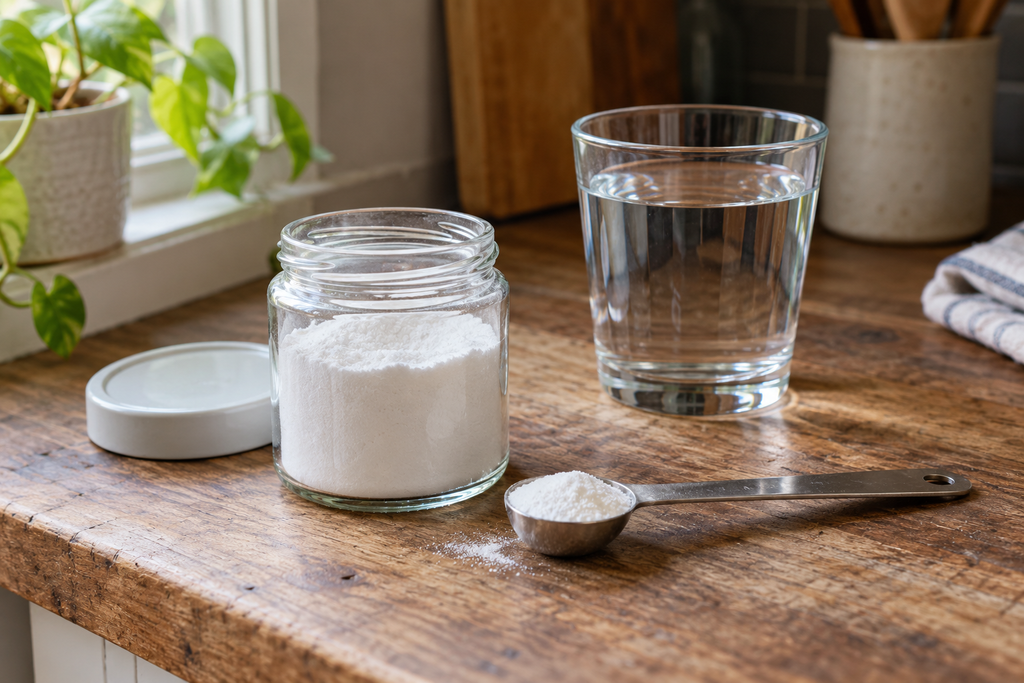
Most human cardiovascular studies have used approximately 3 to 10 grams of L citrulline per day. Six grams appears frequently in the research, while some trials in postmenopausal women with hypertension have used 10 grams daily.
That matters when comparing a product label with a study. Many supplements supply much less. A capsule containing a few hundred milligrams can’t simply be assumed to reproduce the results of a trial using 6 to 10 grams a day.
Citrulline malate introduces another consideration. It contains both citrulline and malate, so the amount of actual citrulline depends on the formulation. A dose of citrulline malate shouldn’t automatically be treated as the same dose of pure L citrulline.
What Do We Know About Safety?
L citrulline has generally been well tolerated in the relatively short human studies conducted so far. A recent systematic review of studies in postmenopausal women reported no adverse effects attributed to supplementation across the included trials.
That is reassuring within the limits of those studies. It doesn’t establish that the supplement is appropriate for everyone or that taking supplemental doses for years carries the same safety profile.
Because citrulline can affect vascular tone and potentially lower blood pressure, people taking antihypertensive drugs or other medications that dilate blood vessels should be cautious about combining them without medical oversight. Evidence on safety over long periods is much less extensive than the evidence from short studies.
The Longevity Academy Evidence Score
The evidence is easier to interpret when each proposed benefit is considered separately.
| Proposed benefit | Evidence |
| Raises circulating arginine | Strong |
| Increases nitric oxide related signaling | Strong |
| Improves endothelial function and FMD | Moderate to strong |
| Modestly lowers blood pressure | Moderate, but inconsistent |
| Improves arterial stiffness | Preliminary and mixed |
| Improves exercise blood flow in selected populations | Moderate |
| Reverses arterial plaque | Not demonstrated |
| Prevents heart attacks or strokes | Not demonstrated |
| Extends human lifespan | Not demonstrated |
Supplement marketing often runs these benefits together. Raising nitric oxide becomes improving arteries, which becomes preventing cardiovascular disease, which becomes living longer.
Each step needs its own evidence. Human experiments support parts of the early sequence. The claims about cardiovascular events and longevity remain hypotheses.
Where Does That Leave Citrulline?
Citrulline deserves serious consideration as a subject of vascular research. Its mechanism is coherent, and the human studies show more than a theoretical effect. Oral citrulline reliably raises circulating arginine and can increase nitric oxide related signaling. Randomized trials have reported improved endothelial function in people with coronary artery disease, hypertension, type 2 diabetes and vascular dysfunction associated with aging.
The blood pressure findings are promising but variable. Some meta analyses report reductions of several mmHg; others find little or no significant effect. Arterial stiffness remains an open question as well. The 2025 pooled analysis found improved FMD without a statistically significant overall improvement in PWV.
The biggest unanswered issue is whether any of this reduces cardiovascular events or mortality. We don’t yet have evidence that it does.
I’d describe citrulline as a promising tool for improving certain aspects of vascular function, with much more to establish before calling it a proven cardiovascular therapy.
For healthy aging, the better established priorities still deserve most of our attention: maintaining healthy blood pressure, controlling ApoB containing lipoproteins, exercising regularly, maintaining metabolic health, avoiding smoking, eating a high quality diet, getting adequate sleep and managing other major cardiovascular risk factors.
Citrulline may turn out to be a useful addition, especially for older adults or people with impaired endothelial function. The existing research doesn’t give us a reason to let it replace that foundation.
Longevity Academy Takeaway
The strongest reason to pay attention to L citrulline is the human trial evidence showing measurable changes in vascular physiology. The phrase “nitric oxide booster” tells us far less than those actual results.
We also need to keep the scale of the research in view. Most of the trials are small, brief and focused on intermediate cardiovascular measures. They help answer whether citrulline changes how blood vessels function. They leave the larger question of lasting cardiovascular protection unresolved.
There is enough human evidence to take L citrulline seriously. There isn’t enough to treat it as proven protection against cardiovascular disease.
For now, that is the most useful way to read the science.